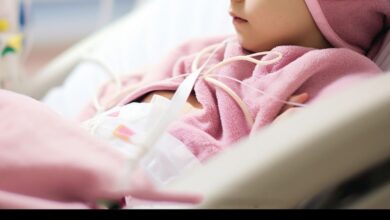
Megan looks at her reflection in the darkened hospital window and doesn’t recognize the person looking back. Four months ago, her life was a blur of playgrounds and noise; today, it is defined by the sterile hum of a chemotherapy pump and the smell of industrial disinfectant. The diagnosis was neuroblastoma, a word too heavy for a child to carry, yet she carries it every hour of every day.
The shift happened in an instant, a sudden pivot from normal childhood milestones to oncology charts and aggressive treatment protocols. While her peers are learning to read or ride bikes, Megan is learning the names of medications that make her hair fall out and her skin pale. The world outside the hospital continues its frantic pace, largely indifferent to the quiet battle unfolding in Room 412.
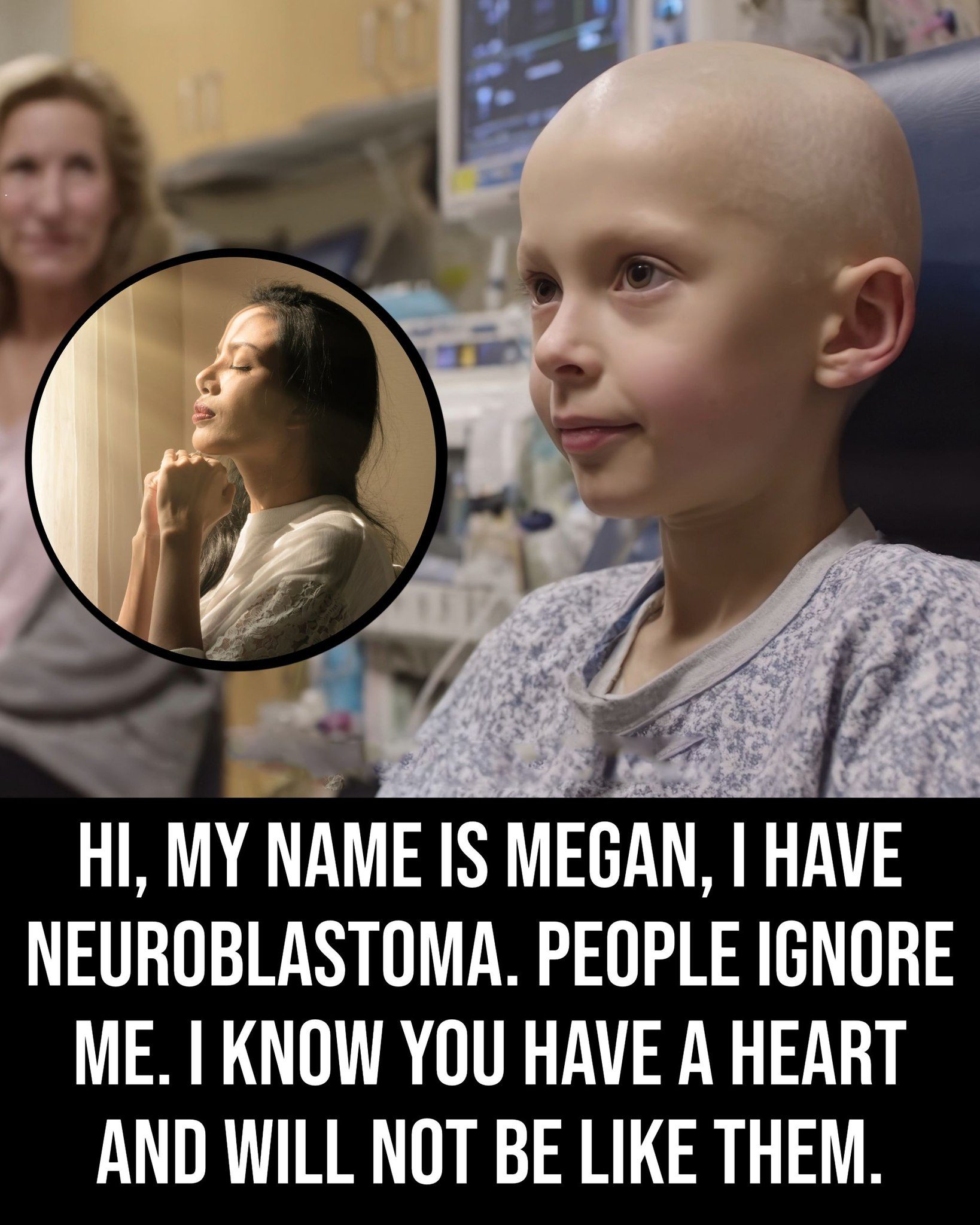
Neuroblastoma is a relentless adversary, often diagnosed only after it has already begun its silent spread through the body. The medical reality is a gauntlet of high-dose treatments, stem cell transplants, and radiation that push a young body to its absolute limits. These are the clinical facts that stay hidden behind closed doors while the public sees only the sanitized versions of the story.
Documentation shows that pediatric cancer research remains one of the most underfunded sectors relative to its impact on life-years lost. We celebrate the ‘warriors’ because it is easier than acknowledging the systemic gaps in care and the sheer isolation of the families left to navigate the wreckage alone. For every viral post, a thousand children sit in silence, waiting for a breakthrough that is years away.
The evidence of the toll isn’t found in a lab report; it’s found in the questions Megan asks when the nurses leave. She asks if she looks ‘scary’ now that her appearance has changed. She asks why people look away when they pass her in the hallway. The physical pain of the cancer is matched only by the psychological weight of feeling like an outsider in her own life.
This is the human cost of a culture that prefers inspiration over uncomfortable truth. We use words like ‘brave’ and ‘mighty’ as shields to protect ourselves from the reality of a child’s suffering. Megan doesn’t want to be a symbol of resilience; she wants to be a child who is allowed to be scared, tired, and seen for who she actually is.
She is currently facing a cycle of treatment that will determine the trajectory of her next year. Her family watches the monitors, waiting for a sign that the poison is working better than the disease. Every small win is shadowed by the knowledge that the path ahead is steep and the outcome is never guaranteed.
We call these children warriors to make their suffering feel purposeful, but a hospital bed is not a battlefield. It is a place where a little girl is asking if she still matters to a world that seems to have moved on without her. We offer platitudes about faith and strength, but we rarely offer the sustained attention required to actually change the system.
Why is it that we only pay attention when a story is framed as a struggle for survival? If we truly cared about the ‘warriors,’ we would stop treating their lives as inspirational content and start treating their isolation as a collective failure. Are we cheering for her recovery, or are we just relieved it isn’t us?