ii 📢 BREAKING NEWS: The Feeding Our Future case is real, massive, and complex — but Trump’s rhetoric just turned it into an identity war on live display 🔥

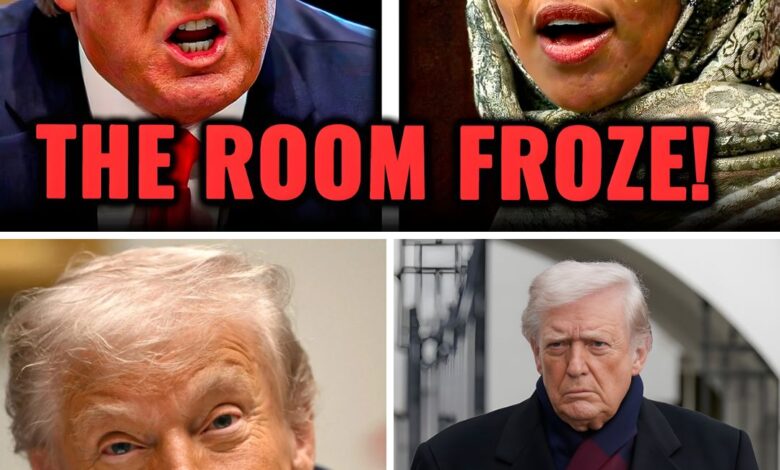
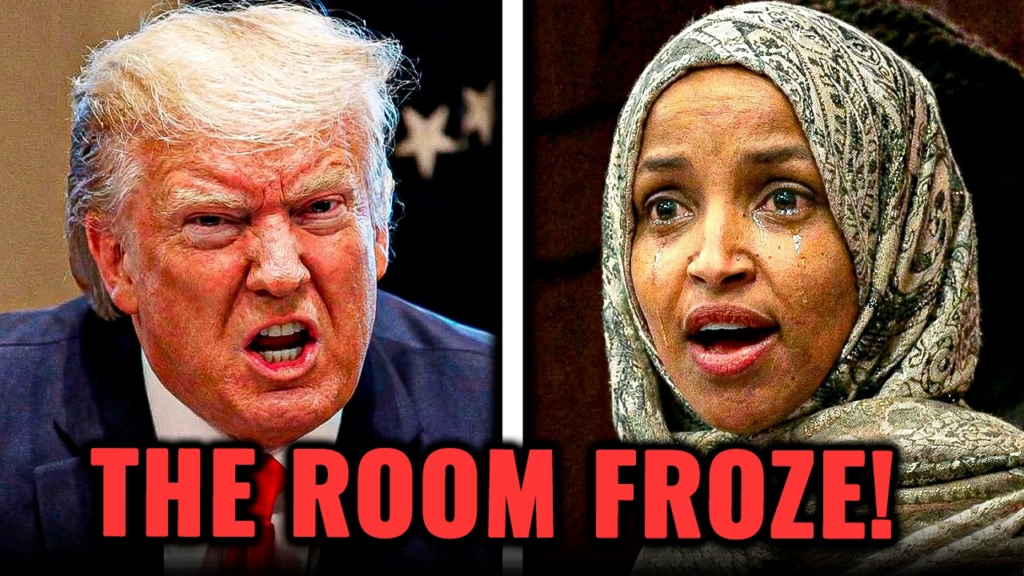
The room didn’t just quiet down—it froze. What began as a discussion about fraud exploded into one of Donald Trump’s most incendiary tirades yet, pulling Minnesota, immigration, and a sitting member of Congress into a single political firestorm.
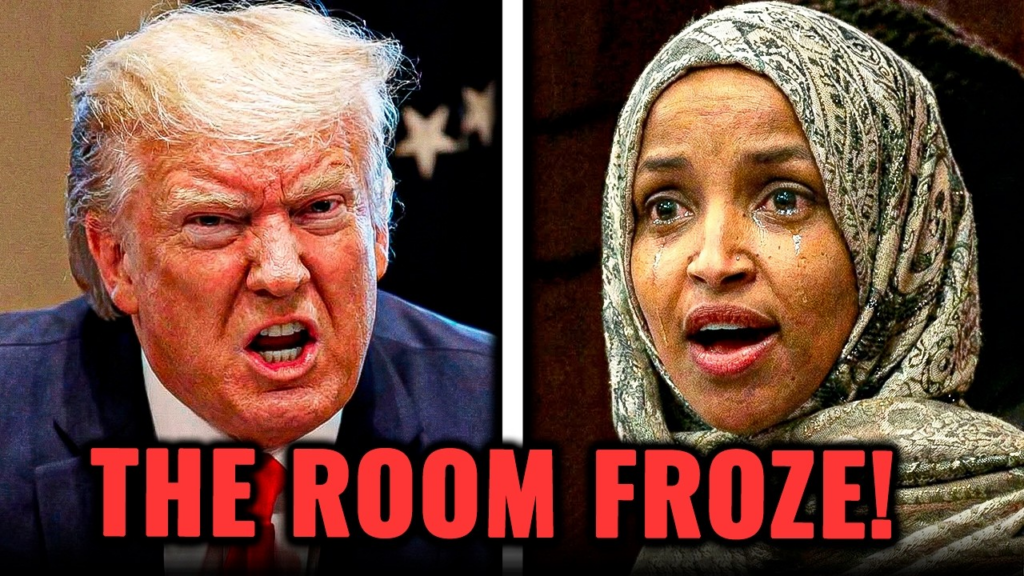
Donald Trump is no stranger to controversy, but his latest remarks surrounding Minnesota’s fraud scandal pushed the political temperature to a new extreme. Speaking bluntly and without restraint, Trump launched into a sweeping attack that blended allegations of massive financial abuse, immigration policy failures, and personal insults aimed directly at Rep. Ilhan Omar. The result was a moment so raw that even longtime observers described the atmosphere as stunned silence.
The backdrop to Trump’s outburst is a sprawling fraud investigation in Minnesota tied to pandemic-era aid programs. Federal prosecutors have already charged dozens of individuals in a scheme that allegedly siphoned hundreds of millions of dollars from programs intended to feed children during COVID-19. According to court filings and federal auditors, Minnesota stands out nationally for the scale and coordination of the abuse, with more indictments potentially on the way.
Trump seized on those facts—but then went far beyond them.
He accused Somali immigrants of “ripping off” the state for billions of dollars and claimed they contributed nothing in return. He framed the scandal not as a failure of oversight or rushed pandemic policy, but as proof of a deeper rot tied to immigration itself. His words were deliberately provocative, dismissing political correctness and openly stating he did not want certain groups in the country.
The comments quickly turned personal. Trump fixated on Ilhan Omar, criticizing her past statements about the United States and branding her as incompetent and harmful. The language escalated sharply, moving from policy grievances to name-calling that many Republicans privately acknowledged crossed a line—even if few said so publicly.
What makes the moment especially volatile is the factual complexity underneath the rhetoric. The Minnesota fraud case did not emerge overnight. As early as 2021, the Minnesota Department of Education flagged serious deficiencies in a nonprofit at the center of the scandal and attempted to halt payments. A judge later ordered those payments to resume, citing procedural issues, and the money continued flowing even as red flags multiplied. That breakdown—bureaucratic, legal, and political—created the conditions for abuse on a massive scale.
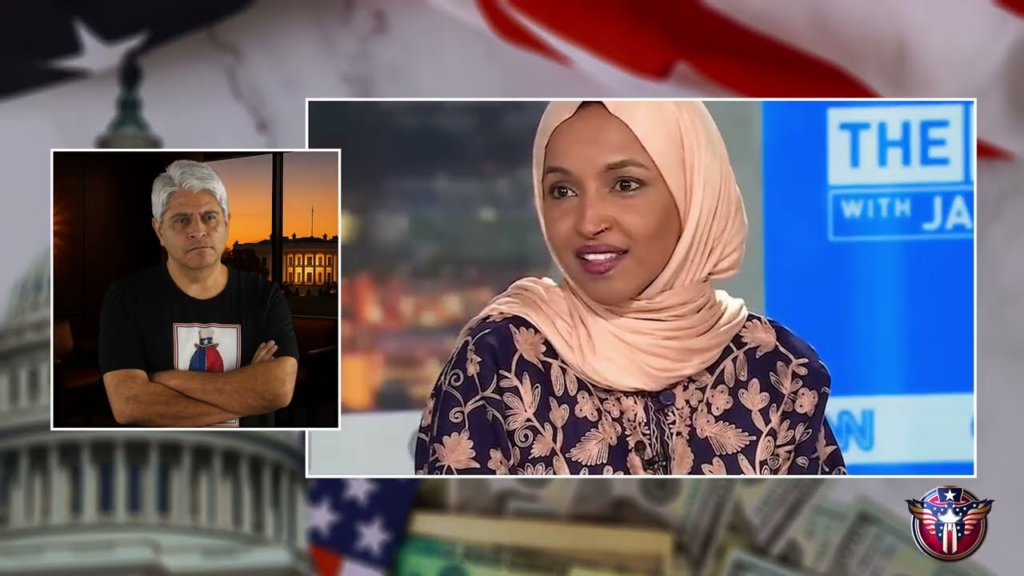
CNN recently pressed Omar directly on why the fraud spiraled so far out of control. She pointed to hastily built programs, reliance on third-party administrators, and guardrails that were never fully constructed during the emergency rush of the pandemic. Federal investigators, however, have made clear that poor design does not excuse criminal behavior, and allegations have even surfaced that some stolen funds may have been routed overseas—claims now under scrutiny by the Treasury Department.
Trump’s critics argue this is where his message could have landed: a devastating indictment of government incompetence, judicial missteps, and systemic vulnerability. Instead, they say, he detonated that argument by turning it into a sweeping cultural and ethnic assault.
Even supporters who agree with Trump on border security and fraud enforcement appeared uneasy with the tone. The memory of past political mistakes—“basket of deplorables,” “garbage” comments—hangs heavily over moments like this, reminding voters how quickly rhetoric can overshadow substance.
As if flipping a switch, Trump later pivoted. When asked about Minnesota Governor Tim Walz, he mocked his competence, referenced debate performances, and teased a future Republican bench so “tremendous” it might already be sitting around the table. The shift was classic Trump: chaos followed by confidence, outrage followed by political chess.
The episode leaves behind an uncomfortable truth. Minnesota’s fraud scandal is real, vast, and still unfolding. Accountability is overdue. But the way leaders talk about it—who they blame, and how—may determine whether the public focuses on reform or simply absorbs another blast of political rage.