In a renewed push toward interplanetary exploration, billionaire entrepreneur and SpaceX CEO Elon Musk has outlined ambitious plans to send humans to Mars as early as 2029, reviving a vision that could reshape humanity’s future beyond Earth’s orbit.
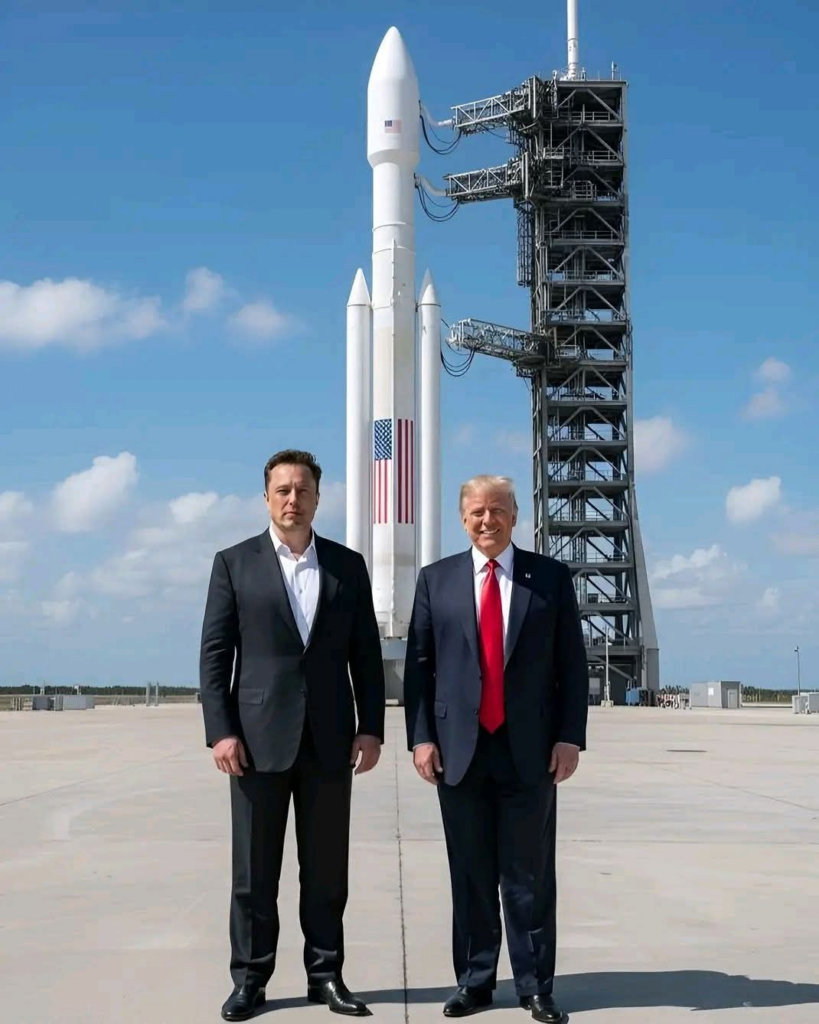
SpaceX, the aerospace company founded by Musk, has for years promoted the idea of making humanity a multi-planetary species. Central to that vision is Starship, a next-generation, fully reusable launch system designed to carry large crews and heavy cargo across the solar system. According to SpaceX’s long-term roadmap, a crewed mission to Mars could occur within the next few years — contingent on the success of test flights and the complex engineering challenges that remain.
Musk has consistently emphasized that landing humans on Mars is only the first step. His broader goal is nothing less than establishing a self-sustaining colony on the Red Planet. Earlier projections by Musk suggested that building a fully independent settlement — capable of surviving and growing even without regular supplies from Earth — may ultimately require hundreds of thousands of people and the transport of millions of tons of cargo. Achieving such a feat, he argues, is critical to safeguarding humanity against existential threats on Earth, from natural catastrophes to technological or geopolitical crises.
Reaching self-sufficiency will demand vast amounts of infrastructure, from habitats and life-support systems to manufacturing facilities and food production capabilities. Musk has previously talked about Starship missions delivering not just astronauts but the essentials for a Martian society, including technologies to produce fuel, oxygen, and other key resources using the planet’s own materials.
However, some recent developments indicate a strategic shift in SpaceX’s near-term focus. Musk has publicly acknowledged that SpaceX is currently prioritizing the construction of a “self-growing city” on the Moon, where frequent launch opportunities and shorter travel times allow for faster progress toward building off-world settlements. This lunar effort — potentially achievable within a decade — is seen by Musk as a stepping stone toward more complex projects like Mars colonization.
Despite this pivot, the aspiration to reach Mars remains firmly on the company’s agenda. SpaceX officials and Musk himself have reiterated that preparations for Martian missions continue, even as lunar infrastructure takes precedence in the company’s roadmap. The next Earth-Mars transfer window — a period of optimal alignment for interplanetary travel — occurs roughly every 26 months, and Musk’s team has spoken of using those opportunities to incrementally build toward larger, crewed missions.
As SpaceX advances its technologies and navigates the substantial technical hurdles ahead, Musk’s vision continues to fuel global conversations about humanity’s place in space. Whether humans will truly set foot on Mars by the end of this decade remains uncertain, but the renewed timeline underscores SpaceX’s enduring commitment to pushing the boundaries of exploration.