Tesla has officially invested $2 billion in xAI, Elon Musk’s artificial intelligence startup, while confirming that production of its fully autonomous Cybercab robotaxi will begin in 2026. The announcement marks a decisive shift in Tesla’s long-term strategy — from electric vehicle manufacturing to AI-powered mobility and robotics.
A $2 Billion AI Gamble
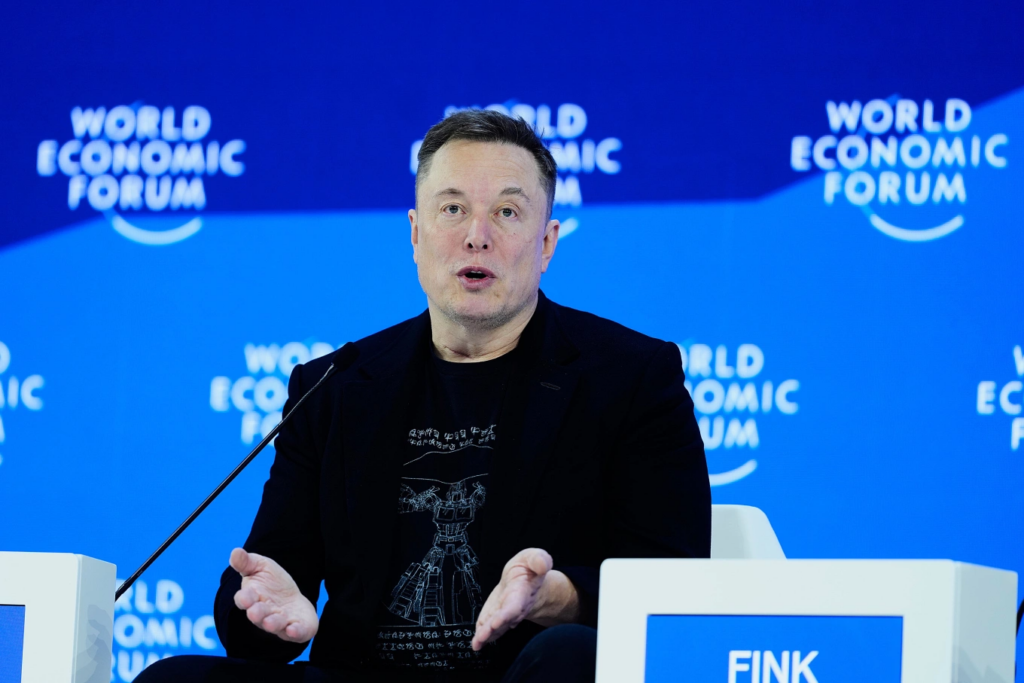
Tesla’s newly disclosed $2 billion investment in xAI underscores Elon Musk’s belief that artificial intelligence — not hardware — will define the next phase of the company’s growth. The move tightens the relationship between Tesla and Musk’s AI venture, positioning advanced machine learning at the core of Tesla’s future products.
Musk has repeatedly argued that Tesla should be viewed as an AI and robotics company rather than a traditional automaker. By investing directly in xAI, Tesla gains deeper access to cutting-edge AI models that could accelerate progress in autonomous driving, robotics, and real-time decision-making systems.
Cybercab: A Robotaxi Without Drivers
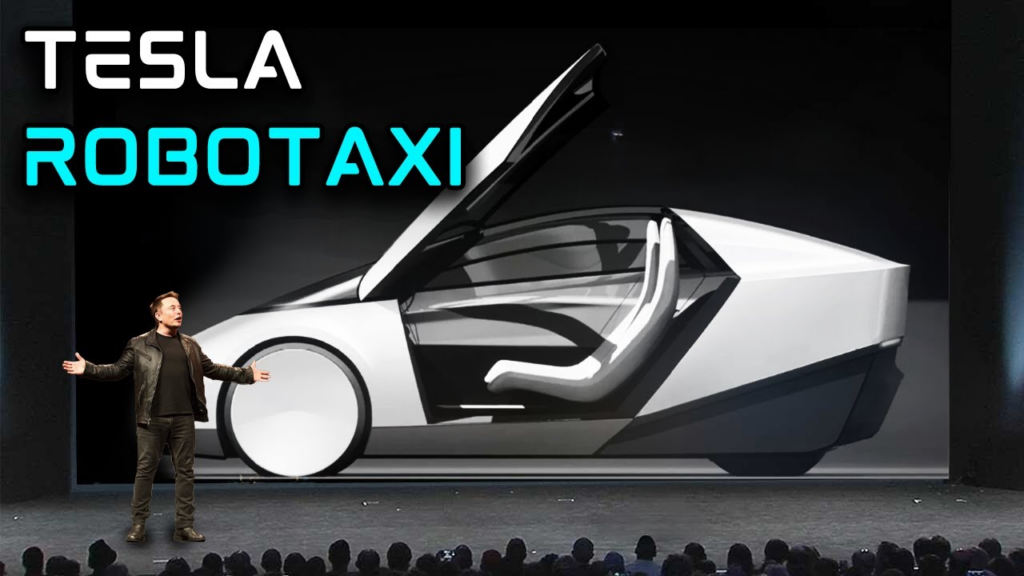
Alongside the investment, Tesla confirmed that its long-anticipated Cybercab robotaxi will enter production in 2026. Designed with full autonomy in mind, the Cybercab reportedly eliminates traditional driving controls such as a steering wheel and pedals, signaling Tesla’s confidence in its self-driving technology.
The vehicle is expected to serve as the backbone of Tesla’s future robotaxi network, allowing users to hail fully autonomous rides through a dedicated platform. If successful, the system could disrupt the ride-hailing industry by removing human drivers entirely and dramatically reducing operating costs.
From Car Sales to AI-Driven Mobility
The latest announcement highlights Tesla’s broader pivot away from reliance on electric vehicle sales toward recurring, software-based revenue. Robotaxi services, AI subscriptions, and autonomous software licensing could ultimately generate far higher margins than vehicle manufacturing alone.
Industry analysts suggest Tesla’s long-term valuation may increasingly depend on:
- Autonomous ride-hailing networks
- AI software and subscription services
- Robotics and automation platforms
High Stakes, High Risk
Despite the bold vision, Tesla’s AI-first strategy faces significant obstacles, including regulatory approval for fully autonomous vehicles, public trust in driverless systems, and intensifying competition from both tech giants and automakers.
Still, Elon Musk has built a reputation for pursuing ambitious bets that challenge industry norms. With Cybercab slated for production in 2026, Tesla is positioning itself not just to compete in the future of transportation — but to redefine it.
If Tesla delivers on its promises, the company may soon be known less for electric cars and more for reshaping how the world moves.